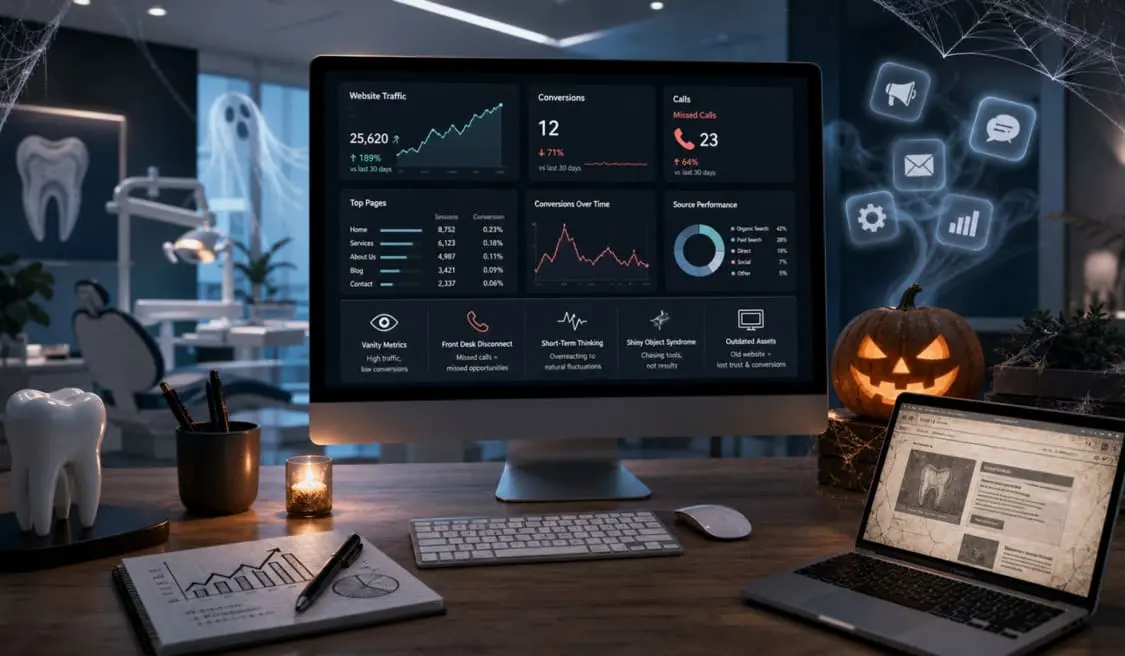
Most practices want the same thing from marketing: more of the right new patients in the chair. The problem is that many reports stop at clicks, impressions, or “website sessions.” Those metrics are useful, but they do not tell you which channels are actually driving booked appointments and production.
At Bullseye, the focus is on what drives traffic to you and then converts to patients. When you connect the dots from click to chair, you can make smarter decisions about budget, staffing, and growth instead of guessing.
Here are four areas worth tracking if you want real clarity in 2026.
1. Track calls and forms by source, not just totals
The first step is knowing where inquiries come from. Instead of just counting total calls or total forms, work with your marketing partner to track:
- Calls from your website
- Calls from your Google Business Profile
- Calls from paid search campaigns
- Form submissions and online booking requests
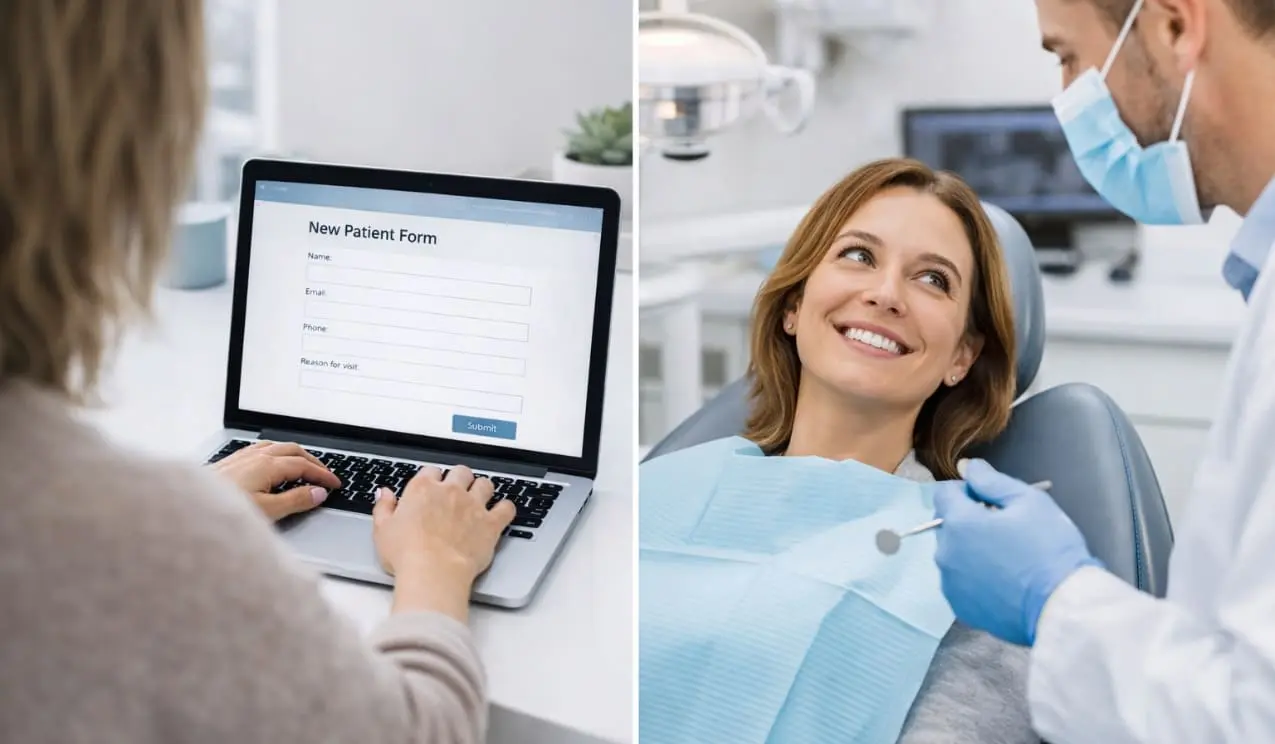
Using call tracking numbers and tagged URLs, you can attribute each contact to a specific channel. That lets you see, for example, how many new patient calls are coming from local search versus advertising, instead of lumping everything into “online.”
Over time, this helps you decide which dental marketing services deserve more budget and which ones may need to be reworked.
2. Use Google Business Profile insights as a “front door” report
Your Google Business Profile is often a patient’s first impression of your practice and one of the most important parts of your digital strategy. The Insights section inside GBP shows how many people call directly from the profile, request directions, or click through to your website.
When you compare these numbers month over month, you start to see how optimization efforts, new photos, or more Google reviews influence real behavior. This pairs well with Bullseye’s local search work, which focuses on keeping profiles accurate, complete, and competitive.
3. Look at what happens on key pages, not just the homepage
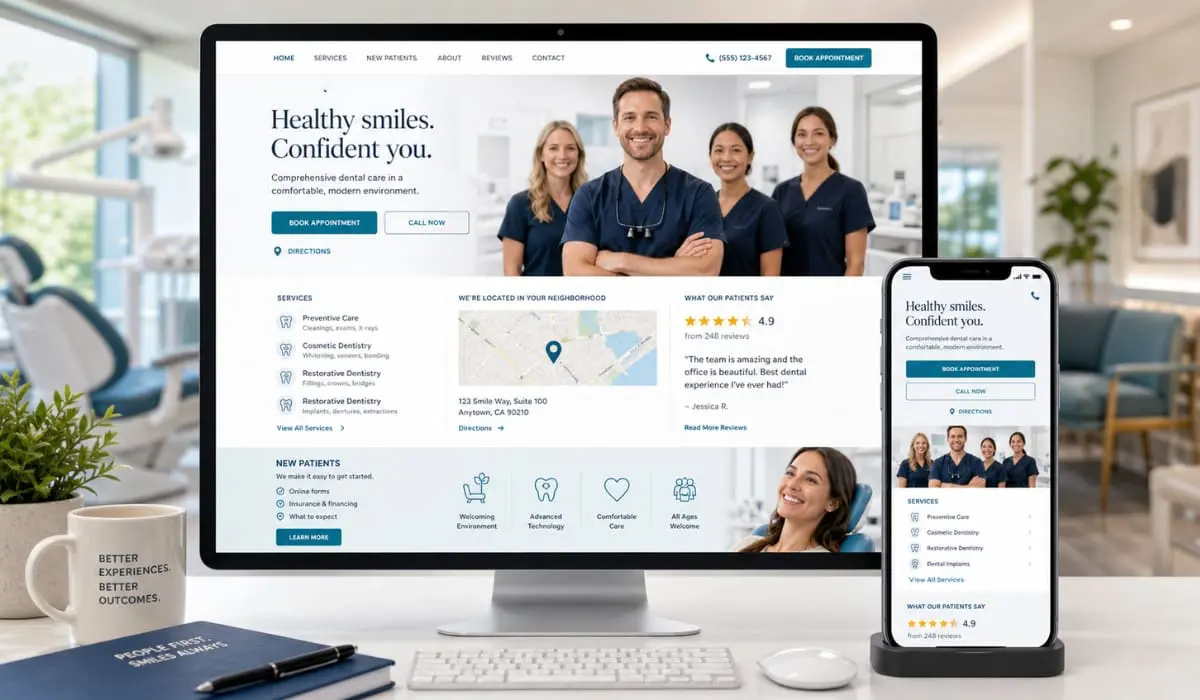
A modern dental website design is not just about how it looks. It is about how easily a potential patient can move from curiosity to action.
Ask your reports to show you:
- Which service pages bring in the most new visitors
- How often visitors on those pages click to call or request an appointment
- Whether mobile visitors convert at similar rates to desktop visitors
If your dental implants page gets a lot of traffic but very few calls or forms, that is a signal to improve the content, layout, or calls to action. When you treat each high value page as a mini funnel, it becomes much clearer where to focus design and copy updates.
4. Tie marketing performance back to patient and production outcomes
Clicks and calls are leading indicators. To complete the “click to chair” picture, connect your marketing reports to:
- New patient appointments scheduled
- Kept appointments versus no-shows
- Production tied to high value procedures
You do not need an advanced dashboard on day one. Even a simple spreadsheet that matches source, appointment type, and production can show you which channels bring in the patients who are best for your practice and your goals.
Turning data into decisions, not more noise
The goal of tracking is not to drown your team in numbers. It is to answer practical questions like:
- Which channels actually generate new patient appointments
- Which campaigns attract the kinds of cases we want more of
- Where should we adjust our budget next quarter
If you would like help seeing what your own “click to chair” path looks like, Bullseye’s complimentary marketing x-ray reviews your website, Google Business Profile, reviews, and campaigns, then turns the findings into a clear treatment plan for growth. You can learn more on the dental marketing services page.