If your dental marketing plan needs clearer focus in 2026, concentrate on the moves patients actually notice when they search, compare, and book. The five trends below are timely, practical, and aligned with dental SEO, dental website design, and dental advertising. Use them to guide your roadmap and help your team prioritize work that supports trust and conversions.

1) Treat reviews like a program
Reviews are often the first impression. Ask at appropriate moments, make leaving feedback simple, and reply with professionalism. Encourage mentions of services like implants, Invisalign, or emergency care to reinforce relevance. Consistent, recent reviews strengthen credibility and local visibility.
Practical move: Add a short review request to your post-visit communications and align staff on wording and timing.
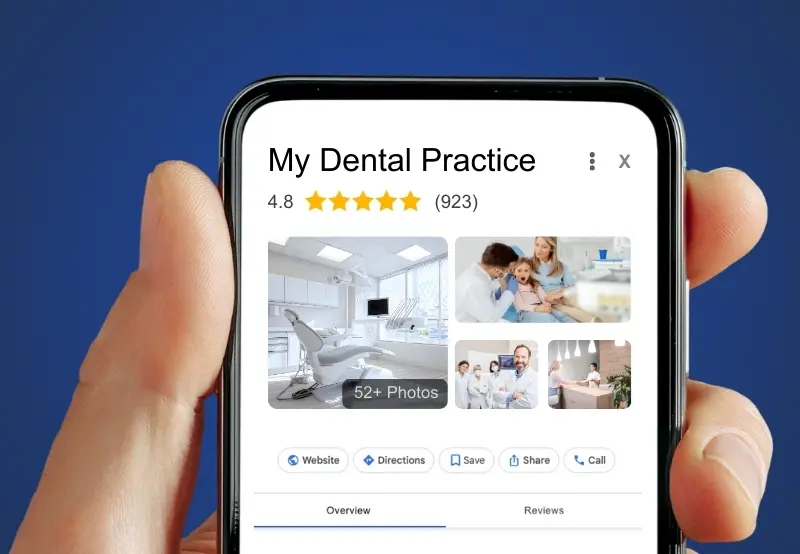
2) Make Google Business Profile your second homepage
Many patients meet you on Google before visiting your site. Keep hours, services, and photos accurate. Post regular updates, confirm categories and attributes, and monitor calls, direction requests, and website visits from the profile.
Practical move: Upload fresh photos that show people, place, and procedures. Maintain a simple calendar to keep the profile active.
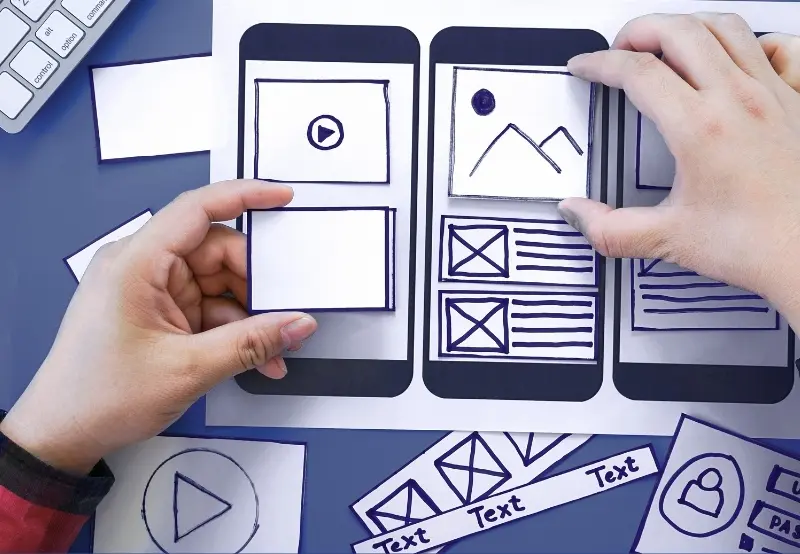
3) Design the website to convert on mobile
A fast, reassuring site turns interest into action. Prioritize speed, clear navigation, and visible calls to action like Call, Book Online, and Text Us. Align the title tag, H1, and first paragraph so visitors immediately recognize they are in the right place. This is dental website design that supports users and dental SEO.
Practical move: Add a persistent Call and Book button on mobile and review analytics to see how visitors engage.
4) Publish patient education with human oversight
AI can assist with drafting, but human expertise makes content credible. Create concise pages for questions your team hears often. One page should map to one intent, such as dental implants cost in [city] or wisdom tooth pain relief. Include a byline, cite sources when helpful, and add a brief FAQ for schema. These dental marketing ideas can compound over time.
Practical move: Build a topic list from real calls and emails, then connect each article to the nearest service page.

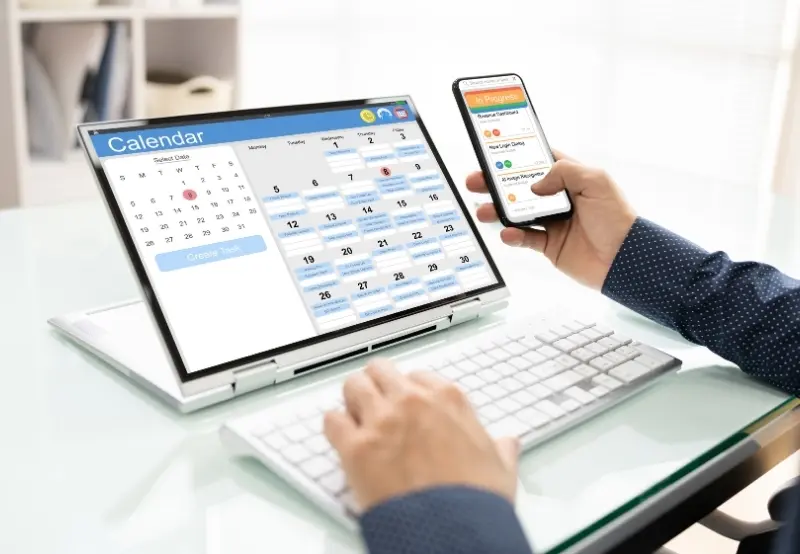
5) Reduce friction with convenient communication
Online scheduling, chat, and SMS reminders make it easier for patients to take the next step, including after hours. Pair convenience features with targeted dental advertising to meet demand in the moment of need.
Practical move: Offer an after-hours booking request and route it to a defined follow-up process.
How we help
We review your reviews, Google profile, site experience, content, and conversion paths. Then we prioritize fixes, test meaningful variations, and report outcomes in plain language. The goal is consistent: more of the right visits and more booked appointments, with less guesswork.
Interested in a clear picture of opportunities? Request a marketing x-ray and we will outline the highest-impact improvements for your practice.
FAQs
Reviews, Google Business Profile, mobile conversion, human-edited educational content for dental SEO, and online scheduling. Each improves trust, visibility, and booking rate.
Yes. Ads capture demand now, SEO compounds over time and lowers acquisition cost. Use both and measure assisted conversions.
Confirm categories, add services, post weekly, upload staff and office photos, and request reviews consistently. Track calls and direction requests.
Fast load, simple navigation, sticky Call and Book buttons, matching title, H1, and intro copy, plus proof points like same-day care and financing.
Review velocity, GBP actions, organic clicks to key service pages, mobile call and form starts, and booked appointments from online scheduling.