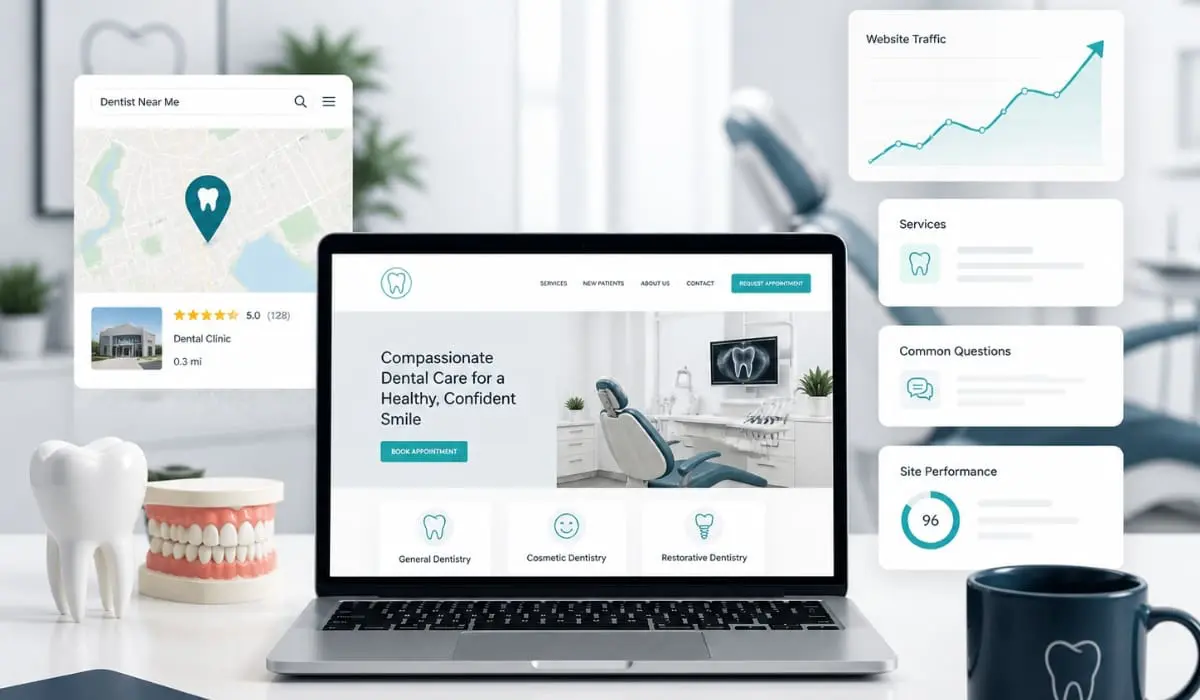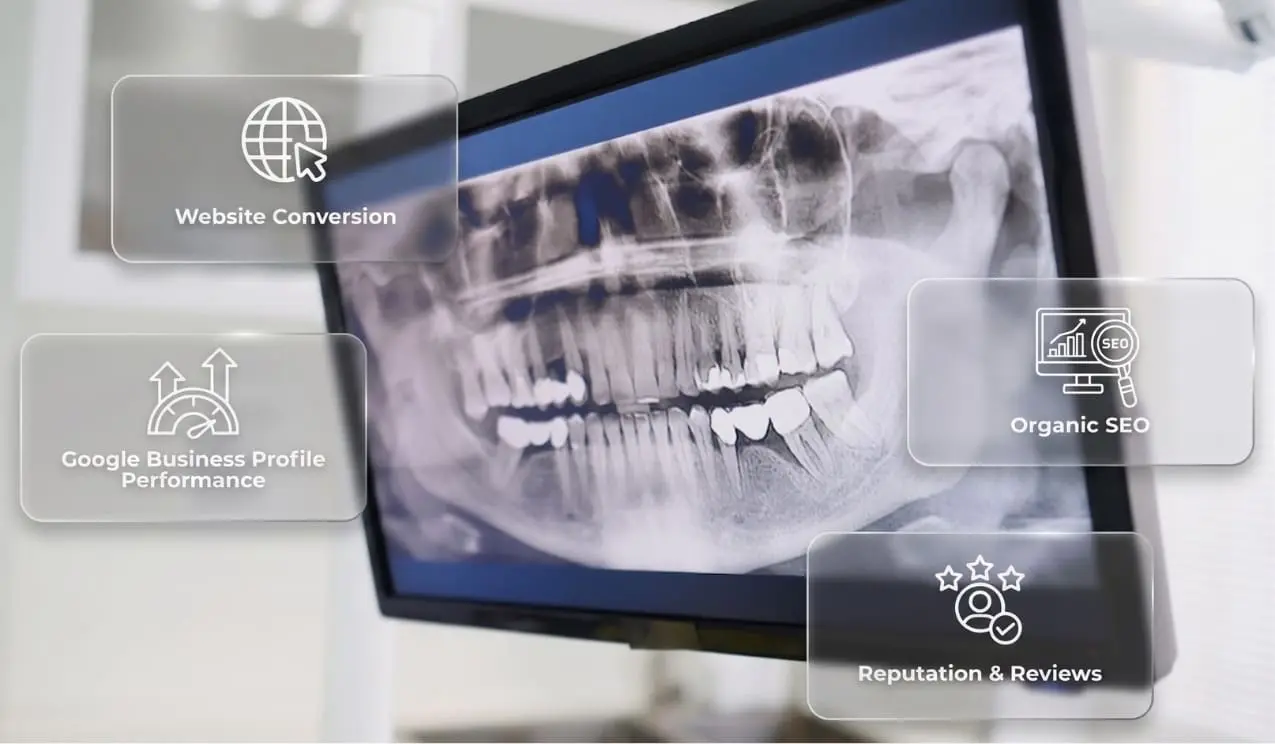
When you hear “complimentary marketing x-ray,” it can sound like one more vague marketing promise. In reality, a good dental marketing x-ray is a structured audit of how your practice shows up online and where you may be leaving opportunities on the table. The goal is not to make more noise in your inbox. The goal is a simple, honest treatment plan for growth.
At Bullseye, we run marketing x-rays for practices that want clarity before they commit more budget. Since 2006, the team has helped hundreds of dental practices across North America grow with digital marketing, so we see the same patterns repeat. When you look at websites, local search, SEO for dental practices, and reviews together, it becomes much easier to decide what to fix first and what can wait.
1. Website health and conversion paths
A marketing x-ray starts with your website from a patient’s point of view. Is it easy to find your phone number, locations, and “Request an Appointment” button on mobile? Do pages load quickly and clearly explain who you are, what you offer, and who you are a good fit for?
Your site is more than a brochure. A strong, modern dental website design is the foundation for everything else you do online.
From there, the x-ray looks at conversion paths:
- How many clicks does it take to call or request an appointment
- Whether forms are short, clear, and secure
- Whether high intent pages, like dental implants or emergency dentistry, have obvious calls to action
You end up with a short list of website changes that can make it easier for the right visitors to become new patients.

2. Local visibility and Google Business Profile
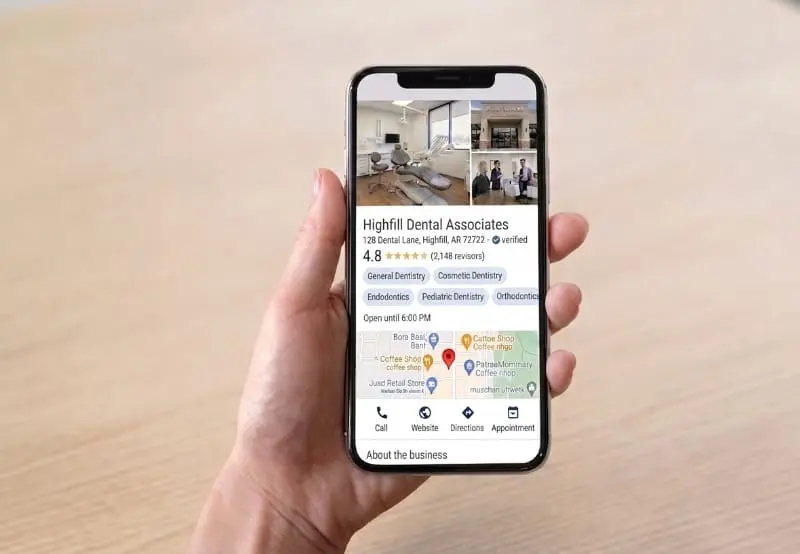
Next, the marketing x-ray reviews your local search footprint, starting with your Google Business Profile. For many patients, this is their first impression of your practice. We look at your categories, hours, services, photos, and how your profile compares to nearby competitors.
We also review how often you post, how many reviews you receive, and how complete your listing is. Common findings include inconsistent hours, outdated photos, or missing services that matter to your ideal patients. The outcome is a clear plan to keep your profile accurate, active, and aligned with your website.
3. Search engine optimization for dentists
A dental marketing x-ray also examines how well your site is positioned for organic search. That includes whether key pages are indexed, if your title tags and headings match what patients actually search for, and whether you have content that answers common questions in plain language.
This is where Search engine optimization (SEO) and content strategy meet. The recommendations are usually straightforward: clarify which pages should rank for your highest value services, align titles and headings with those services, and fill obvious gaps with focused, patient friendly content that supports SEO for dental practices.


4. Reputation and reviews
Finally, the x-ray looks at your online reputation. Reviews are both powerful social proof and a local ranking factor. We examine your average rating, review volume, recency, and how consistently you respond.
If you are underperforming in reviews, your action plan might include where to ask for reviews in your workflow, how to make leaving a review simple, and how to respond to feedback in a way that builds trust over time.
Turning insight into a simple treatment plan
A good marketing x-ray does not drown you in charts. It connects your website, local search, SEO, and reputation into one clear narrative so you can prioritize work that leads to more of the right patients and a better online experience.
If you would like a clearer picture of where your practice stands, you can request a complimentary marketing x-ray and use it as a roadmap for your next round of website, SEO, and advertising decisions on the Bullseye dental marketing services page.